A coeliac disease diagnosis for your own child is a shock for many parents at first. What can my child still eat? And what happens at the next children's birthday party? At the same time, there is often relief, because finally there is an explanation for tummy aches, tiredness or poor growth.
The good news: gluten-free with kids is not a life full of sacrifice. We show you what matters and which gluten-free recipes for kids will win over the whole family.
Coeliac disease in children: how do you recognise it?
Coeliac disease is not an allergy but a lifelong autoimmune condition: gluten from wheat, spelt, rye and barley triggers inflammation in the small intestine. In Europe, about one in a hundred people is affected. The symptoms in children vary a lot:
- Diarrhoea, bloated tummy, stomach pain or constipation
- The child gains weight poorly or grows more slowly than their peers
- Noticeable tiredness, irritability or difficulty concentrating
- Iron deficiency that does not improve despite treatment
Some children have hardly any symptoms. If coeliac disease runs in the family or your child already has an autoimmune condition such as type 1 diabetes or Hashimoto's, talk to your paediatric practice.
Diagnosis first, then gluten-free
Do not change your child's diet on your own. Coeliac disease can only be reliably diagnosed while your child is still eating gluten. The first step is usually a blood test for specific antibodies, and the medical team decides everything else.
By the way, without a medical reason, paediatricians advise against a gluten-free diet, because it is not automatically healthier.
Gluten-free diet for kids
Once the diagnosis is confirmed, it means avoiding gluten consistently, for life. That sounds strict, but a lot is naturally gluten-free: fruit, vegetables, potatoes, rice, corn, millet, buckwheat, meat, fish, eggs, dairy products, pulses and gluten-free flours like our cassava flour. You can find an overview in our gluten-free food list.
With children, pay particular attention to fibre, iron and calcium, for example from millet, pulses, vegetables and dairy products. Especially at the beginning, nutrition counselling with experience in coeliac disease helps.
In the supermarket, you recognise safe products by the crossed-grain symbol. You can read where else gluten lurks in our article on hidden gluten in everyday life.
The gluten-free family kitchen
The whole family does not have to eat gluten-free. But many cook the main meals gluten-free together: that saves work and your child does not feel left out. If you still cook with gluten as well, these rules help against cross-contamination:
- Your own toaster or toaster bags
- Separate butter and spreads, so no crumbs get in
- Your own chopping boards, sieves and wooden spoons
- Always prepare the gluten-free food first
Nursery, school & lunchbox
As soon as your child eats away from home, they need allies: talk early with the nursery, school and kitchen team, and give your child a well-filled lunchbox, for example with homemade rolls, veggie sticks, fruit and gluten-free snacks for kids like our carrot and lemon biscuits.
How to prepare the first meeting, what belongs on an info sheet and which ideas make the lunchbox varied, you can read in our guide Coeliac disease in kindergarten and school.
Gluten-free children's birthday party
If your child is invited, let the hosts know early and pack your own piece of cake or muffins. Ideally something that looks really good: then it is not a “substitute” but something special.
If you are hosting, why not simply make the whole party gluten-free. With redcurrant muffins, marble cake or brownies, nobody notices the difference. A pizza party with our gluten-free pizza baking mix is also completely uncomplicated.
Gluten-free recipes for kids that everyone loves
Kids do not want special food, they want waffles, pizza and pasta. All of that works gluten-free too, for example with our Ruut cassava flour, which can be used almost 1:1 instead of wheat flour in many recipes. Our favourites for kids:
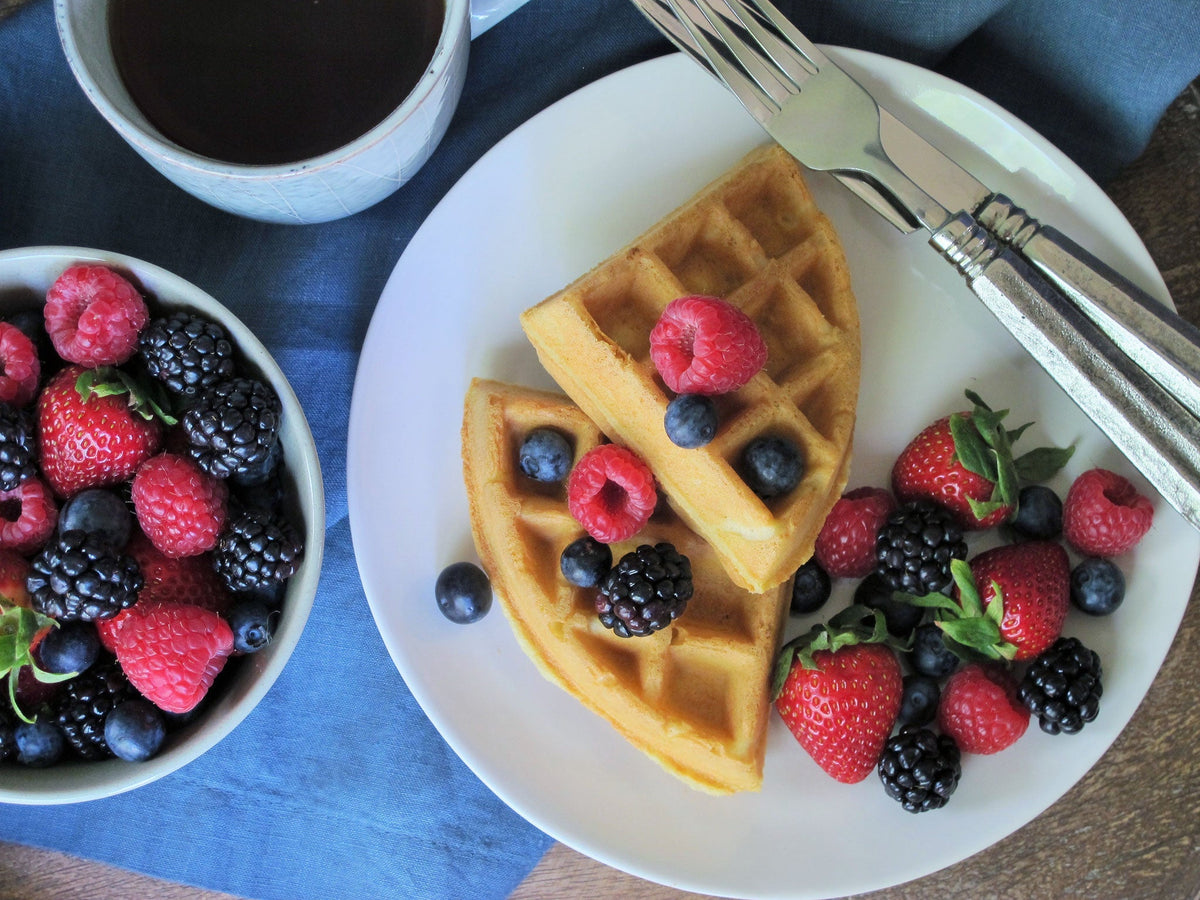
- For breakfast: gluten-free waffles or pancakes without sugar
- For lunch: gluten-free pasta or crispy courgette fritters
- For dinner: mini burgers with fluffy burger buns
You can find even more ideas in our Ruut recipe world.
How to explain to your child what gluten-free means
Explain the topic in an age-appropriate and positive way. Toddlers understand simple images (“That makes your tummy hurt”), kindergarten kids learn to ask (“Is there gluten in it?”) and school kids already recognise the crossed-grain symbol. Best of all: bake together! Then gluten-free does not become a restriction but a shared experience. Talking with other families also gives courage, for example through the Deutsche Zöliakie-Gesellschaft (DZG).
Frequently asked questions about gluten-free with kids
When can coeliac disease appear in children?
As soon as a child eats foods containing gluten, so at the earliest after starting solid foods. But it can also show up only in school age or later.
Do children grow out of coeliac disease?
No, coeliac disease stays for life. With a consistently gluten-free diet, though, the gut usually recovers completely.
Can my child with coeliac disease eat oats?
Only oat products that are explicitly labelled gluten-free. Whether and from when, it is best to discuss with your paediatric practice or nutrition counsellor.
Conclusion: gluten-free with kids is doable
With the right knowledge and a few favourite recipes, gluten-free family life quickly becomes routine. Waffles on Sunday and cake on birthdays still belong. Browse our Ruut recipe world and try our cassava flour.


