
Gluten-Free Bread: Crispy Baking Mixes for Pure Enjoyment
Are you looking for the perfect gluten-free bread that’s not only healthy but also tastes really good? Ruut is the perfect place for you! Our products are made from high-quality cassava root. This makes our gluten-free bread naturally free of allergens, wonderfully moist, and guaranteed to turn out perfectly every time. Discover the joy of carefree bread-eating now!
Our gluten-free bread products
-
Regular price 22,90 €Regular priceUnit price per
-
Regular price 25,90 €Regular priceUnit price per


Gluten-Free bread: The benefits of Ruut
-
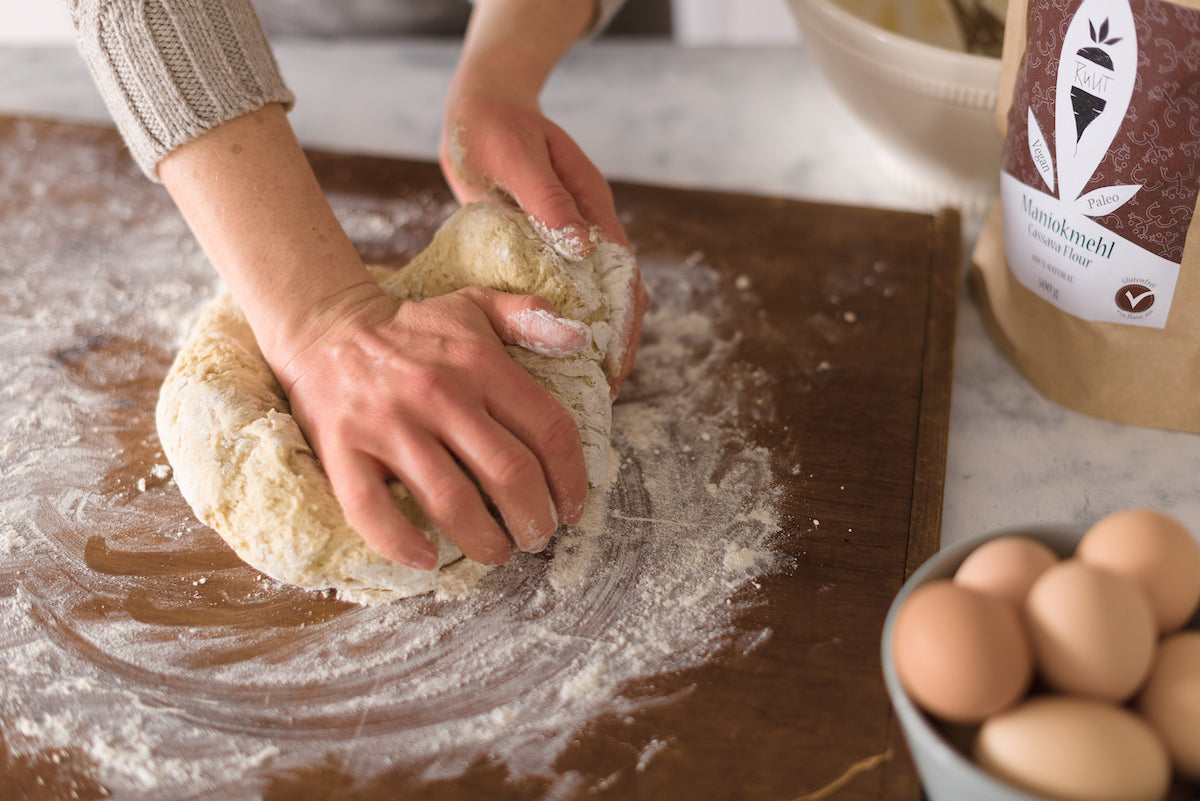 Naturally gluten-free
Ruut's cassava flour is made exclusively from cassava root and is naturally gluten-free, grain-free, and free of nuts and additives. This makes it ideal for people with celiac disease, allergies, or those following a Paleo or AIP diet. It is also vegan, has hypoallergenic properties, and is ideal for a low-FODMAP diet. In this way, cassava flour offers a unique alternative for many dietary approaches.
-
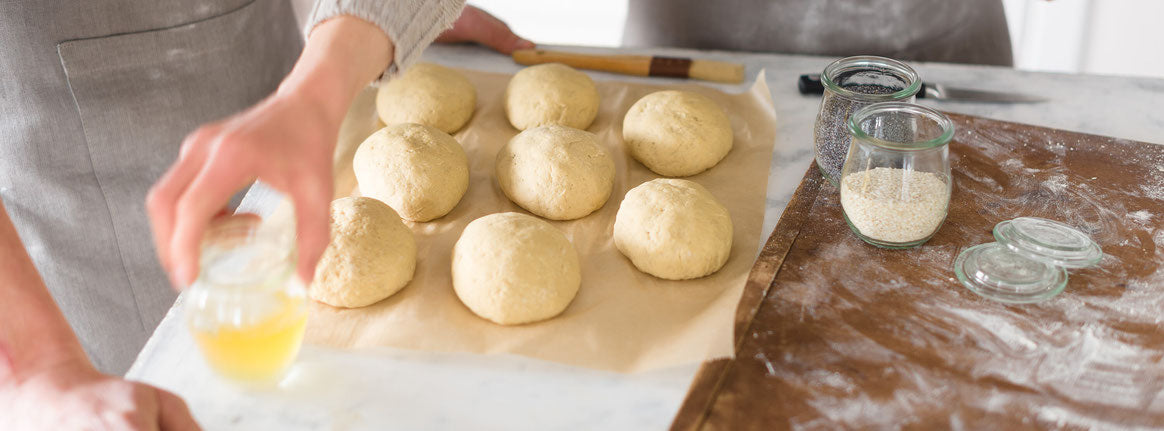 Optimal baking properties
Gluten-free baked goods are often dry and crumbly. With Ruut’s cassava flour, that doesn’t happen. Cassava roots are extremely starchy and therefore have a very high swelling capacity. This makes baked goodsmoist and keeps themfresh for days. Cassava flour can be used just like regular flour in almost any recipe. That’s how you make the perfect gluten-free bread without any compromises.
-
 The power of cassava flour
Cassava flour is made from the root of the cassava plant and has been a staple food in Latin America and the Caribbean for thousands of years. Unlike tapioca, Ruut’s cassava flour is made from the whole root that has been ground, so fiber, nutrients, and the natural flavor are fully preserved. It’s ideal for gluten-free baking and cooking tailored to your personal dietary needs.

Gluten-free bread: bake it or buy it?
Anyone who needs or wants to follow a gluten-free diet often faces a big disappointment at the supermarket: Prepackaged, gluten-free bread off the shelf is often dry, crumbly, and relatively expensive. But there’s a delicious alternative: Baking gluten-free bread at home!
Here are the benefits that show why using a bread mix or flour at home is almost always a better choice than buying pre-made bread:
1. Full control over the ingredients (no chemicals)
Pre-packaged gluten-free bread from stores often requires a long list of additives, preservatives, artificial flavorings, and a lot of sugar to ensure shelf life and consistency. When you bake your own gluten-free bread, you decide what goes into the dough. With Ruut products, for example, we rely on the natural power of cassava root—completely free of chemical additives or unnecessary allergens.
2. Unmatched Freshness and Authentic Flavor
Nothing beats the aroma of freshly baked bread coming warm from the oven. Store-bought bread is often preserved to last for weeks and tastes bland as a result. Homemade gluten-free bread rewards you with a crispy crust and a moist crumb that still tastes like it came from the bakery the very next day.
3. Significantly Better Value for Your Money
Specialty diet products at the supermarket are expensive; you often pay a high price for small, lightweight packages. When you bake gluten-free bread at home, you’re easy on your wallet. High-quality baking mixes or gluten-free flours like our cassava flour go a long way. You get more bread, better quality, and more nutrients for your money.
4. Customize it to your taste
Do you love pumpkin seeds, walnuts, or an extra dose of chia seeds? When you bake your own, there are no limits to your creativity. You can easily tweak basic baking mixes to suit your own preferences and create exactly the kind of bread that’s perfect for your breakfast or dinner.
Recipes for gluten-free bread

Want to leave your bread to rise comfortably overnight? We'll tell you how to do it with this bread recipe! The moist bread is gluten-free, vegan and also has an...
Want to leave your bread to rise comfortably overnight? We'll tell you how to do it with this bread recipe! The moist bread is gluten-free, vegan and also has an...
FAQ: Baking Gluten-Free Bread
1. Why is gluten-free bread often so dry or crumbly?
Since gluten—the protein that provides binding and elasticity in traditional dough—is missing, many gluten-free breads tend to dry out quickly. The key to moist gluten-free bread lies in the right ingredients. Our baking mixes made from cassava root (cassava flour) retain moisture exceptionally well, so your bread stays wonderfully moist on the inside and develops a great crust.
2. Which type of flour is best for baking gluten-free bread?
For optimal baking results, you usually need a mixture of different gluten-free flours and binding agents. At Ruut, we rely on the power of the cassava root. Our cassava flour is naturally gluten-free, low in allergens, and behaves remarkably similarly to wheat flour when baking. Another advantage is that you don’t always (or necessarily) have to mix our cassava flour with other flours to achieve good baking results. This makes baking gluten-free bread particularly easy and foolproof.
3. Do I need a special baking pan or a bread machine?
No, you don't need any special equipment. You can easily bake our gluten-free bread in a standard loaf pan or as a free-form loaf on a regular baking sheet in the oven. Since gluten-free doughs are often a bit runnier or stickier than traditional yeast doughs, a loaf pan (or parchment paper) is especially handy for beginners to help shape the bread.
4. How can I keep homemade gluten-free bread fresh longer?
It's best to store the cooled bread in an airtight container or a traditional clay bread box at room temperature. A major advantage of Ruut baking mixes: Thanks to the excellent properties of cassava root, the bread stays pleasantly soft for days. Tip: Up until the fourth day, you can moisten the bread slightly and briefly toast it before eating to ensure it tastes especially fresh every time.
5. Why do gluten-free breads often rise less when baked?
Without gluten, the dough has a harder time retaining the gases produced by yeast or baking powder. To achieve a nice volume, we use perfectly balanced, natural ingredients in our recipes. When baking gluten-free bread, be sure to let the dough rest for exactly the amount of time specified in the recipe and don’t knead it for too long, otherwise the structure will lose its stability.
Discover more products
-
Regular price 22,90 €Regular priceUnit price per
-
Regular price 25,90 €Regular priceUnit price per
-
Regular price 25,70 €Regular priceUnit price 28,24 € per kg
-
Regular price 25,90 €Regular priceUnit price 28,78 € per kg

