At home, you have the gluten-free kitchen under control. But at nursery, kindergarten or school, new challenges await: lunch from a large kitchen, birthday cake in morning circle and lunchboxes where food gets swapped.
Don't worry: coeliac disease in kindergarten and school is quite manageable with good preparation. Here are the most important tips.
The first meeting: how to prepare nursery and school
With coeliac disease, even crumbs are enough to harm the gut. How the condition develops and how you recognise it, we explain in our guide Gluten-free with kids. In nursery and school, what matters most is therefore well-informed adults.
It is best to arrange a meeting with the head, the group or class and the kitchen team before the first day. Talk about:
- What coeliac disease is: a lifelong autoimmune condition, not a diet
- What is off limits and what is safe, our gluten-free food list helps with this
- How meals are organised and who tells you before celebrations
- Who the team can call with questions
An info sheet with a photo, a short explanation, allowed and forbidden foods and your contact details is handy. The Deutsche Zöliakie-Gesellschaft (DZG) offers additional material for nurseries and schools.
Gluten-free lunch in nursery, canteen and after-school care
Nurseries and schools are not automatically obliged to cook gluten-free. But they must state which of the 14 main allergens are in the food, and cereals containing gluten are among them. In principle, there are three ways:
- The kitchen cooks gluten-free too, if the team is trained.
- The caterer delivers a gluten-free menu. Ask for the menu with allergen information.
- You send the food along in a thermal box, often the safest solution, especially at the beginning.
Important: always serve the gluten-free portion first and with clean cutlery. Leaving off the sauce or scraping off the breading is not enough.
Hidden sources of gluten: crafts, baking, play dough
Gluten is not only in food. Homemade play dough and salt dough usually consist of wheat flour, and then there are pasta pictures, some glues and flour dust during baking activities. Small children in particular quickly put their fingers and materials in their mouths. The easiest solution: the group crafts with gluten-free play dough or bakes gluten-free, for example with our Ruut cassava flour. That way your child can join in without being singled out.
Gluten-free lunchbox: packed lunch ideas for kids
So that the lunchbox does not look the same every day, here are our favourite packed lunch ideas for kids:
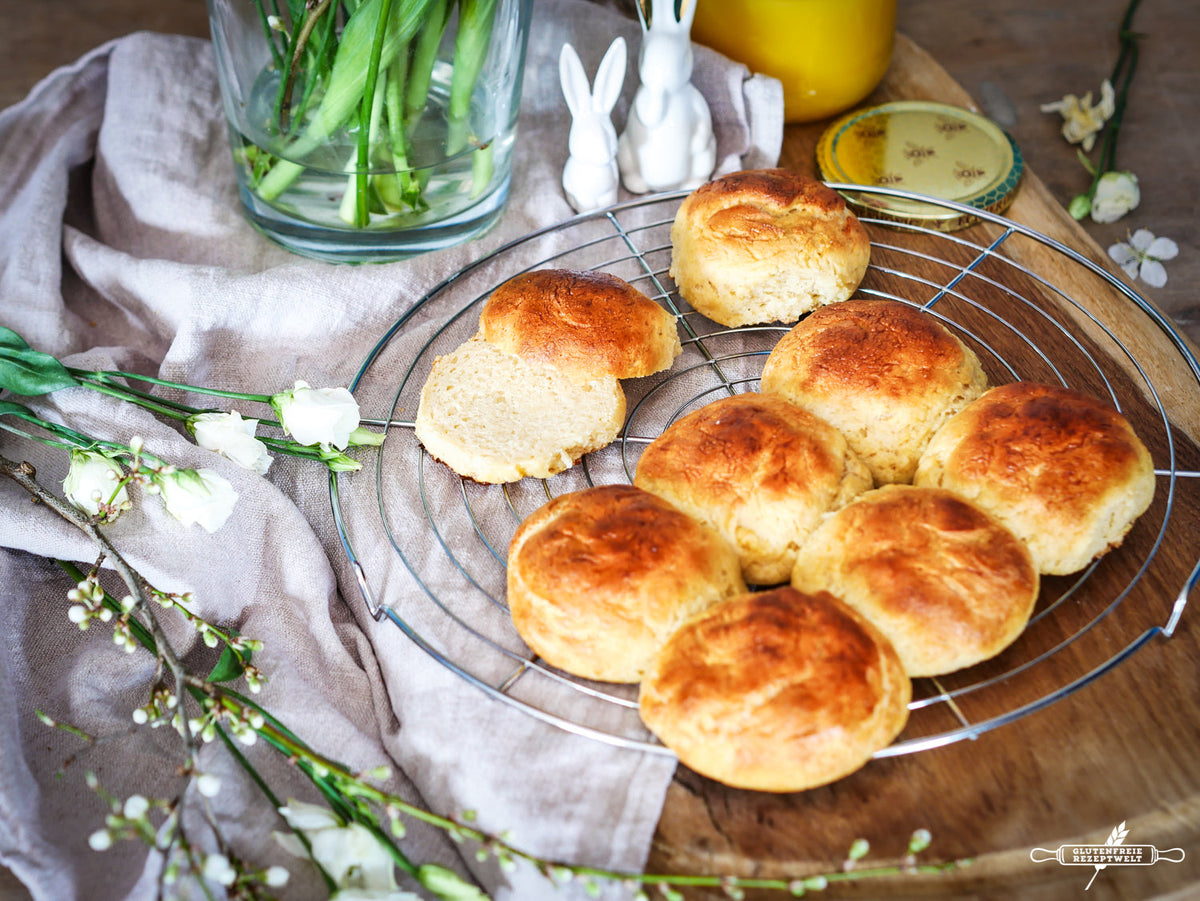
- Soft milk rolls or bread from our gluten-free bread baking mix, baked at the weekend and frozen
- As an alternative to bread in the lunchbox: gluten-free wraps, pumpkin yeast swirls with cheese or crackers made from the pizza baking mix
- For a sweet tooth: lemon muffins or carrot and lemon biscuits
- Plus fruit, veggie sticks and cubes of cheese
Label the box with your child's name and “gluten-free”. And the most important break rule: please do not swap, but feel free to offer something yourself.
Nursery birthdays, cake sales and school fairs
Celebrations almost always involve cake. These three tips help:
- Emergency box: keep a few gluten-free redcurrant muffins in the nursery's freezer.
- Ask to be told early: ask the group to let you know before birthdays.
- Bake cake for everyone: if your child celebrates their nursery birthday with gluten-free marble cake or snowball biscuits, everyone eats the same. Usually nobody notices the difference, not even at the cake sale.
Day trips and school trips with coeliac disease
For day trips, a well-filled lunchbox and a few extra snacks are enough. Before the first school trip, it is best to talk to the teacher early: many youth hostels and school country homes offer gluten-free meals on request. Still pack bread and snacks for the first few days and hand over the info sheet.
Frequently asked questions about coeliac disease in nursery and school
Does the nursery have to cook gluten-free for my child?
There is no general obligation. But many nurseries, schools and caterers offer gluten-free meals on request. If safe preparation is not possible, you send the food along yourself.
What happens if my child accidentally ate gluten?
With coeliac disease, an accidental gluten exposure is usually not an acute emergency like with a severe allergy. Some children get stomach pain or diarrhoea, others notice nothing. The nursery should always inform you. If symptoms are severe, talk to your paediatric practice.
Where can parents get support?
From the Deutsche Zöliakie-Gesellschaft (DZG), from nutrition counselling with experience in coeliac disease and through exchange with other families in regional support groups.


