
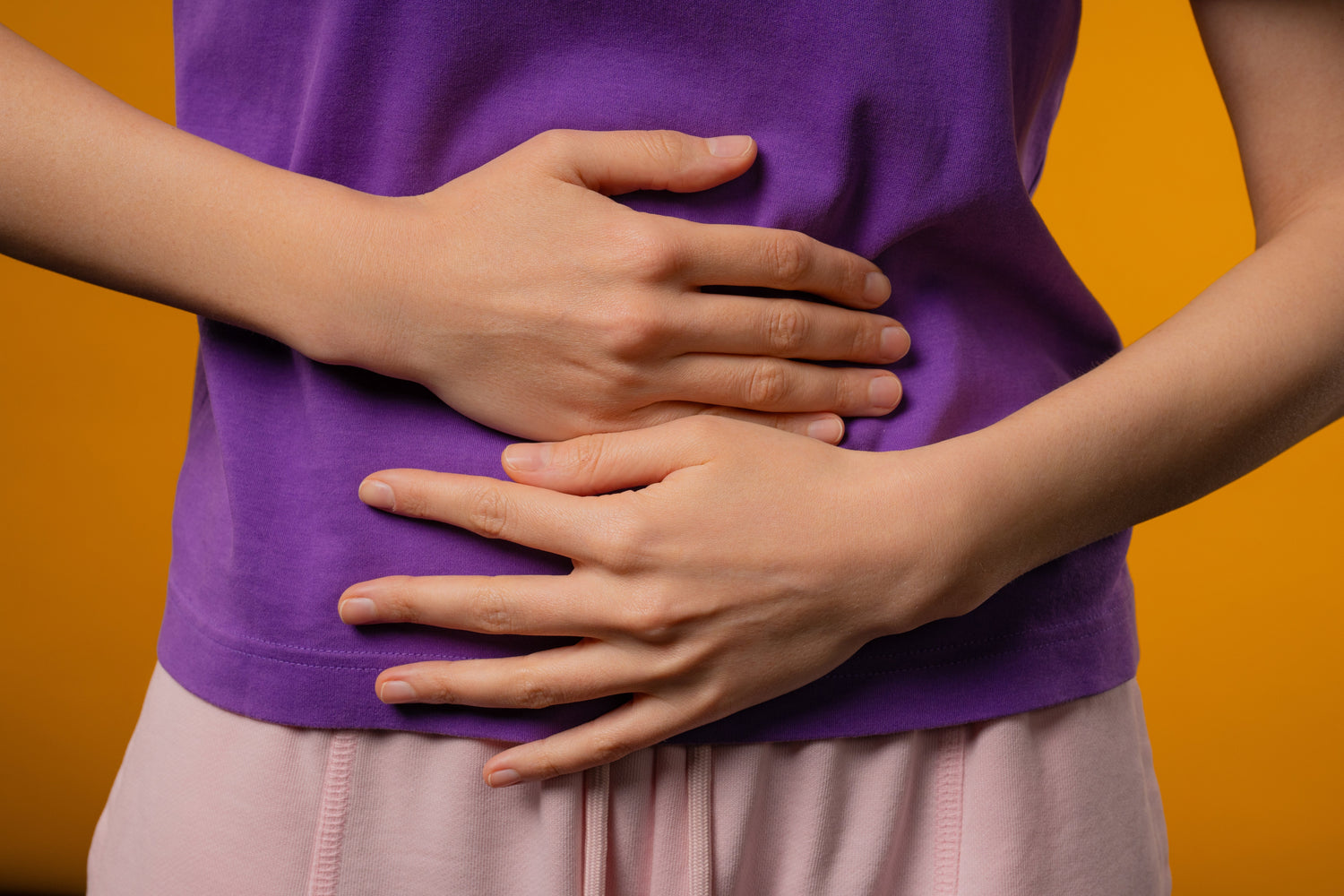
A nagging stomach ache, constant bloating, fatigue that just won’t go away—and no one can really tell you what’s causing it? Maybe you’ve already come across the term “leaky gut” in your search. The “leaky gut,” as it’s called in German, has been the subject of heated debate for several years now—in nutritional science, on forums, and around the breakfast table.
Here at Ruut, we’re all about that good gut feeling anyway. So it’s high time to take a closer look at the topic: What’s behind the discussions, and how can you tell if you have it? And most importantly, how can you support your gut with mindful eating in your daily life?
What is Leaky Gut Syndrome?
Imagine your intestinal lining as an extremely fine sieve. Every day, it decides what’s allowed to pass from your gut into your body (namely nutrients) and what should stay out—such as undigested food particles, bacteria, or toxins. This natural protective barrier is held together by connections between the cells, known as tight junctions.
Research suggests that with leaky gut, these very connections can become looser. As a result, the intestinal wall becomes more permeable than it should be, and substances enter the bloodstream that don’t actually belong there. According to current theories, this can lead to unwanted reactions in the body.
Important to know: Leaky gut syndrome is not (yet) a clearly defined, distinct clinical condition in conventional medicine, but is the subject of intensive scientific research and controversial debate. It is well documented that the permeability of the intestinal barrier can fluctuate. Exactly what role this plays in our overall health is the subject of ongoing research. However, a healthy gut is always the best foundation for your daily well-being.
Typical Signs: When Your Stomach Is Out of Balance
The tricky thing about these typical symptoms is that they’re very nonspecific—meaning they could also have completely different causes. Those affected often report:
- Bloating, a feeling of fullness, and a distended stomach
- Digestive irregularities (such as constipation or loose stools)
- Persistent fatigue and lack of energy
- Food intolerances that seem to appear out of nowhere
- Sensitive skin
- The feeling of being more susceptible to everyday infections
Do you recognize yourself in several of these points? Then it’s worth taking a closer look. Please don’t interpret this article as a diagnosis, however: If you’ve been experiencing symptoms for an extended period, seeing a doctor is always the right first step.
How is altered intestinal permeability diagnosed?
When people hear the term Leaky Gut Test, many think of a quick self-test. Unfortunately, it’s not quite that simple. In practice, certain markers—such as zonulin in stool or blood—are measured to assess intestinal permeability. However, these tests are not without controversy among experts and should always be interpreted by a medical professional.
Our tip: Instead of testing on your own, it’s best to discuss persistent symptoms with a doctor or a nutritionist. They can rule out other causes and guide you on your journey to better gut health.
Causes: What Can Strain the Gut Barrier
There usually isn’t a single trigger. Scientists discuss an interplay of several factors that can disrupt the balance in your gut:
- Diet: highly processed foods, high amounts of refined sugar, and an excess of certain grains and gluten-containing products
- Chronic stress, which literally takes a toll on the stomach and intestines
- Alcohol and the use of certain medications
- An out-of-balance microbiome—that is, an imbalanced distribution of gut bacteria
The good news: When it comes to your diet, you have a lot of control in your own hands.
Focus on Diet: What Can Help Relieve Your Gut
A gut-friendly diet aims to ease the burden on digestion, supply the body with valuable nutrients, and provide the beneficial gut bacteria with the right “food.” Sound complicated? Fortunately, it isn’t. It’s all about real, unprocessed foods.
These foods can support your gut:
- Dietary fiber and resistant starch: They serve as important nourishment for the beneficial bacteria in the large intestine. Cassava flour is a great addition to your kitchen here, as it naturally contains resistant starch. You can read more about this in our article “Resistant Starch: How Cassava Flour Naturally Supports Your Gut Health”.
- Psyllium husks: They swell in the gut and can thus naturally support normal bowel movements and healthy digestion.
- Fermented foods like sauerkraut, kimchi, or kefir, which can contribute to a diverse microbiome.
- Nutrient-rich, colorful foods: fresh vegetables, healthy fats, and high-quality protein sources.
Foods best avoided or consumed in moderation:
- Highly processed ready-made products with long ingredient lists
- Large amounts of refined sugar
- For many people with sensitivities: gluten and traditional grain products
And this is where it gets exciting for anyone who wants to do something good for their gut: A gluten-free and grain-free diet doesn’t have to taste like sacrifice. With our gluten-free cassava flour and our gluten-free baking mixes, you can bake bread, pizza, waffles, and more—completely free of wheat, grains, nuts, and additives. If you’re into the Paleo lifestyle, the Paleo Starter Set offers an easy way to get started.
Good for Your Gut: Your Daily Wellness Routine
Taking care of your gut and nurturing your microbiome isn’t a weekend project—it’s a loving, long-term routine. In practice, a simple step-by-step approach has proven effective:
- Reduce irritants: Cut out what upsets your stomach (e.g., highly processed foods, too much sugar, and—if necessary—gluten on a trial basis).
- Provide nutrients: Switch to a colorful, fiber-rich, and balanced diet.
- Nourish your microbiome: Consciously incorporate resistant starch, fiber, and fermented foods.
- Stay the course: Give your body time—positive changes in your well-being often don’t become apparent until after a few weeks.
In addition, getting enough sleep, exercising, and managing stress mindfully are all good for your gut. Your gut loves regularity almost as much as we love freshly baked bread.
Recipes for a Happy Gut: Enjoy Without Sacrificing
The best for last: Eating gut-friendly doesn’t mean giving up your favorite dishes. In our recipe section, you’ll find plenty of gluten-free and grain-free recipes—from moist bread to crispy pizza to fluffy waffles. So it’s perfect if you’re looking for simple ideas that taste fantastic and are great for your gut.
Conclusion
When it comes to leaky gut, the focus is on the sensitivity of the gut barrier, which science links to various nonspecific everyday symptoms. Even though much of this is still being researched, one thing is certain: a well-nourished gut is the best foundation for your overall well-being. With a balanced, fiber-rich, and—if needed—gluten-free diet, you hold a powerful tool in your own hands. Cassava flour, psyllium husks, and our gluten-free baking mixes make it especially easy for you to do something good for your gut every day—without feeling like you’re missing out on anything.
Note: This article is intended for general information and educational purposes. It contains no medical claims and is not a substitute for medical advice or treatment. If you have persistent or acute symptoms, please always consult a doctor or a qualified nutritionist.


