
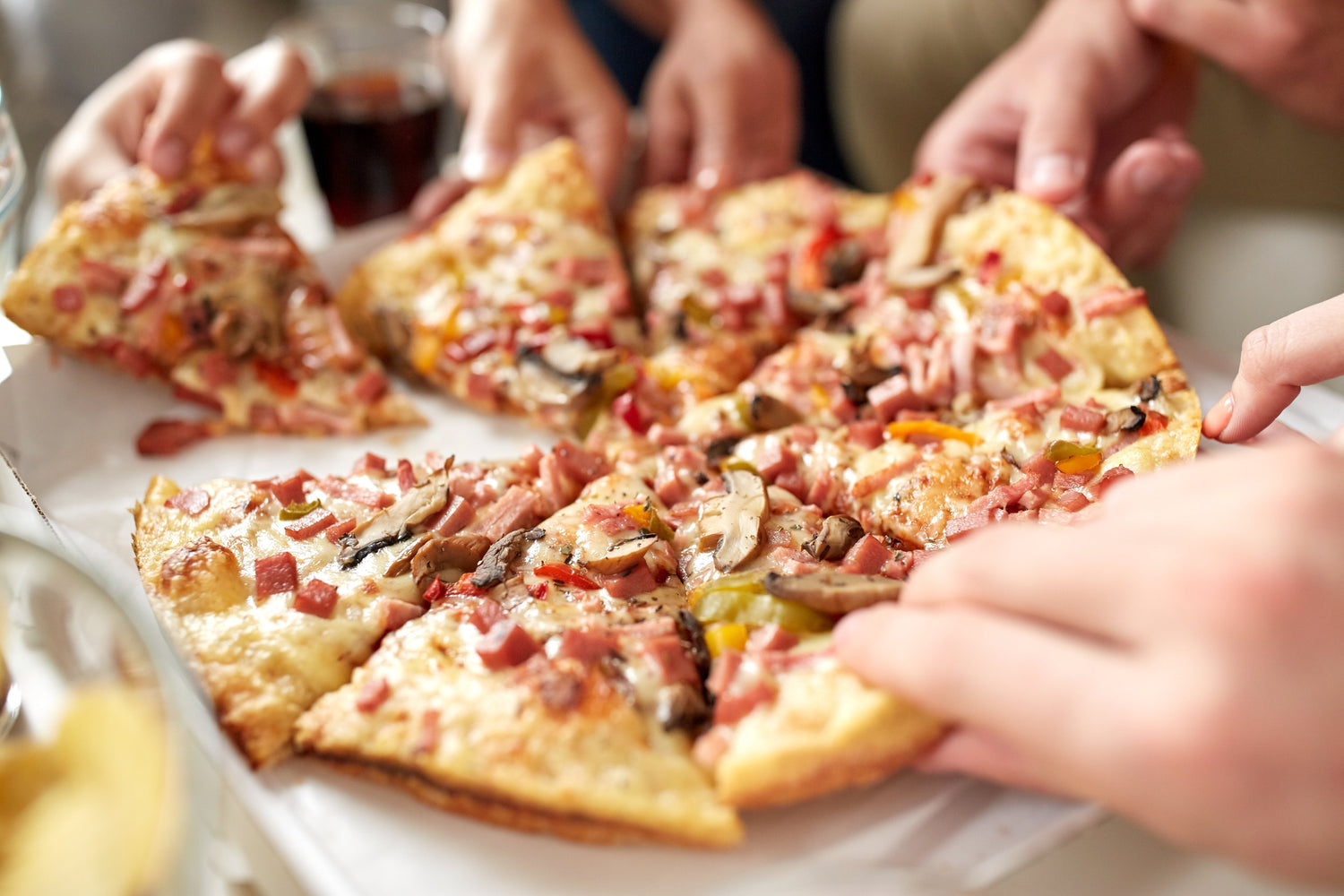
A pizza night together is pretty much always a good idea, unless one of the guests can't tolerate gluten. Then a carefree pizza party can quickly turn into a gauntlet of dough, tomato sauce and toppings. Many hosts face the problem that finding a suitable gluten-free pizza dough that convinces in both taste and texture seems difficult. But don't worry: with a little preparation, the right gluten-free pizza base and open communication, your evening will be not only delicious but also stress-free. And the best part: nobody has to go without, and the love of pizza and the joy of a successful gluten-free recipe stay intact. Here are our best tips for a successful pizza night: gluten-free, sociable and guaranteed stress-free.
1. Planning and preparation are half the (pizza) battle
If you know that one or more guests need to eat gluten-free, bring it up early. That way you avoid someone ending up nibbling only on the side salad. Feel free to ask specifically: is it celiac disease or an intolerance? Does everything need to be cooked completely separately, or is a gluten-free option enough? With this information, planning becomes much easier.
The more precisely you know, the better you can prepare, and in the end everyone will thank you. When planning, make sure to choose suitable gluten-free foods and check the ingredient lists carefully. Because let's be honest: who isn't delighted by a host who has really thought of everything? Also plan the amount of dough and the portions to match the number of guests, so that everyone gets enough.
2. Two doughs, no compromises: gluten-free pizza included
The good news: gluten-free pizza dough is long past being a sad substitute. Our recommendation? The Ruut Gluten-Free Pizza Baking Mix. It not only brings really good flavor to the table but is also very easy to work with: crispy, delicious and convincing all round. And completely wheat-free, but with plenty of potential to impress, even your gluten-eating friends.
If you offer both, classic and gluten-free pizza, then plan two doughs, two baking sheets, two workflows. It's best to prepare, bake and serve the gluten-free dough first, then the regular one. That way you prevent flour residues or ingredients containing gluten from accidentally getting into the gluten-free version.
3. Toppings with a system: everyone gets to top!
Topping your own pizza is a real classic. It's fun and makes sure everyone gets exactly what they like. But especially in a mixed group with guests who eat gluten-free, you should bring in a bit of structure:
-
Set out all the toppings in small bowls, with spoons or tongs for portioning.
-
Mozzarella works as a classic gluten-free topping and provides the typical Italian taste experience.
-
Label gluten-free ingredients clearly, e.g. with small signs.
-
And very important: start with the gluten-free pizzas before the toppings containing gluten come into play.
That way everyone can join in relaxed, with no worries and lots of enjoyment. It is especially nice to share the finished pizza with friends or family afterwards and enjoy it together.
4. Cross-contamination and celiac disease? Not on your watch!
Here comes the most important point for everyone with celiac disease: even the smallest amounts of gluten can cause problems. So pay special attention to:
-
Clean work surfaces: clean thoroughly beforehand and, if needed, use a separate board; the pizza gets especially crispy if you bake it on the lower rack of the oven
-
Separate utensils: e.g. an extra knife for the gluten-free pizza
-
Baking paper as a barrier: this way the gluten-free dough doesn't come into contact with the baking sheet
-
Your own baking sheet or pizza peel: worthwhile if you often have gluten-free guests
Sounds like a lot of work? It isn't at all. With a little preparation, it all goes smoothly and you avoid unnecessary risks.
5. Communication is everything
Talk to your guests, and do so openly. Ask which products are safe, what needs to be taken into account and how strict the separation really has to be. Most people with celiac disease or gluten intolerance are glad when someone makes an effort and doesn't just serve "something without gluten".
And also let your gluten-eating guests know that there's a mix today. That way everyone understands why you're paying attention to a few more things than usual, and maybe they'll even try the gluten-free version too. (Spoiler: many don't notice any difference at all.)
6. Enjoy it relaxed: it tastes best together
In the end, a pizza night isn't just about the food, but above all about being together. And that works especially well when everyone feels welcome and seen.
For the perfect baking result, the oven plays a decisive role. Make sure to preheat the oven well and choose the right temperature: 230-240°C is ideal. Depending on the type of oven, such as wood-fired, gas or electric, and where you place the pizza in the oven, the result can vary. Fan heat provides even heat distribution, while top/bottom heat is often recommended for a particularly crispy crust. Keep an eye on the sides of the pizza while baking so that the crust browns evenly all around and nothing burns. The quality of the oven and the right temperature setting are decisive for the aroma and texture of your pizza.
If you take the basics into account and think ahead a little, your gluten-free pizza night will be a complete success, with no sacrifices at all, but with plenty of flavor and good vibes.
And who knows, maybe the gluten-free pizza made with the Ruut baking mix will even turn out to be the secret star of the evening?


